02 / 06
Research & Code

The Laboratory

Glowing photon ring around a black hole

Black Hole Explorers & AstroAI · Summer 2026

ProblemTesting whether real black holes deviate from Kerr requires modeling their photon rings pixel by pixel.

ApproachSelected for the BHEX (5 interns) and AstroAI (6 interns) cohorts. Implemented the beyond-Kerr KRZ spacetime metric in a JAX-based relativistic ray tracer and built a configurable pipeline generating photon-ring image libraries across ~10 spacetime and accretion parameters.

ResultTrained a CNN-based simulation-based inference pipeline that recovers black-hole spin and inclination with sub-percent error (R² = 0.999); ongoing normalizing-flow work quantifies the precision BHEX needs to detect deviations from General Relativity around Sgr A*.

R² = 0.999spin & inclination recovery
JAXSBICNNsnormalizing flowsgeneral relativity
Particle tracks from a physics experiment

Bernauer Research Group · November 2024 – December 2025

ProblemDetecting a dark-matter candidate at DarkLight means pulling a faint signal out of pair-production backgrounds.

ApproachSimulated 50,000 pair-production events in CERN's ROOT, Geant4, and Monte Carlo; reconstructed time-of-flight by fitting polynomial coefficients.

ResultReduced timing delay, noise, and geometry effects — improving statistical confidence for the dark-matter search.

50,000events simulated

ROOTGeant4C++Monte Carlo
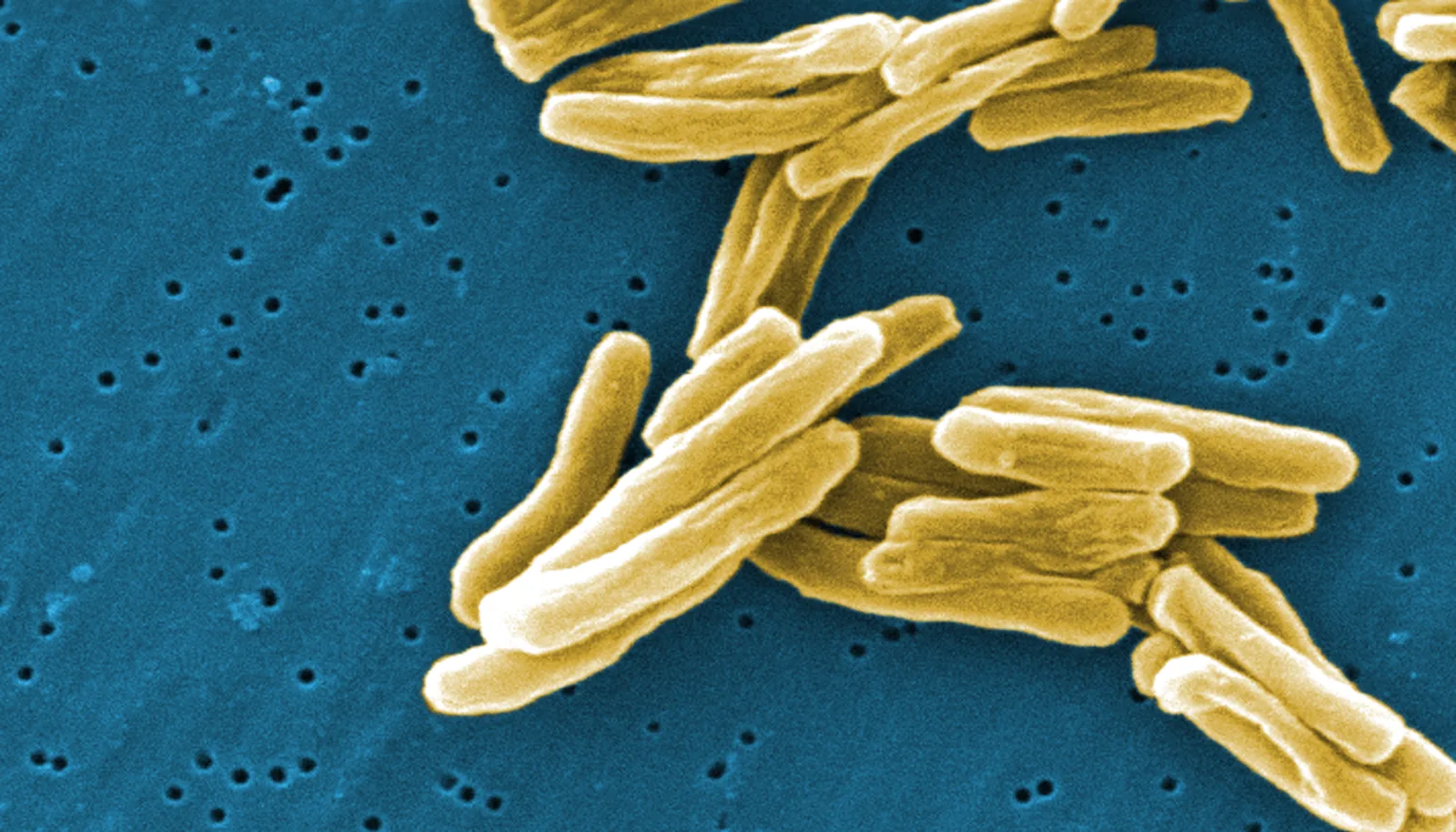
Micrograph of Mycobacterium tuberculosis bacteria

Jessica C. Seeliger Lab · October 2024 – May 2026

ProblemMeasuring membrane fluidity across thousands of live mycobacteria meant analysing microscopy one field at a time.

ApproachBuilt 20+ biophysics-informed MATLAB and Java/ImageJ pipelines to label cells, isolate subcellular regions, and quantify general polarization.

ResultSped analysis 100× and showed general polarization predicts antibiotic susceptibility in M. smegmatis and M. tuberculosis.

100×faster analysis

MATLABImageJbiophysicsimage analysis

PublishedACS Infectious Diseases (2026) — DOI 10.1021/acsinfecdis.5c00790

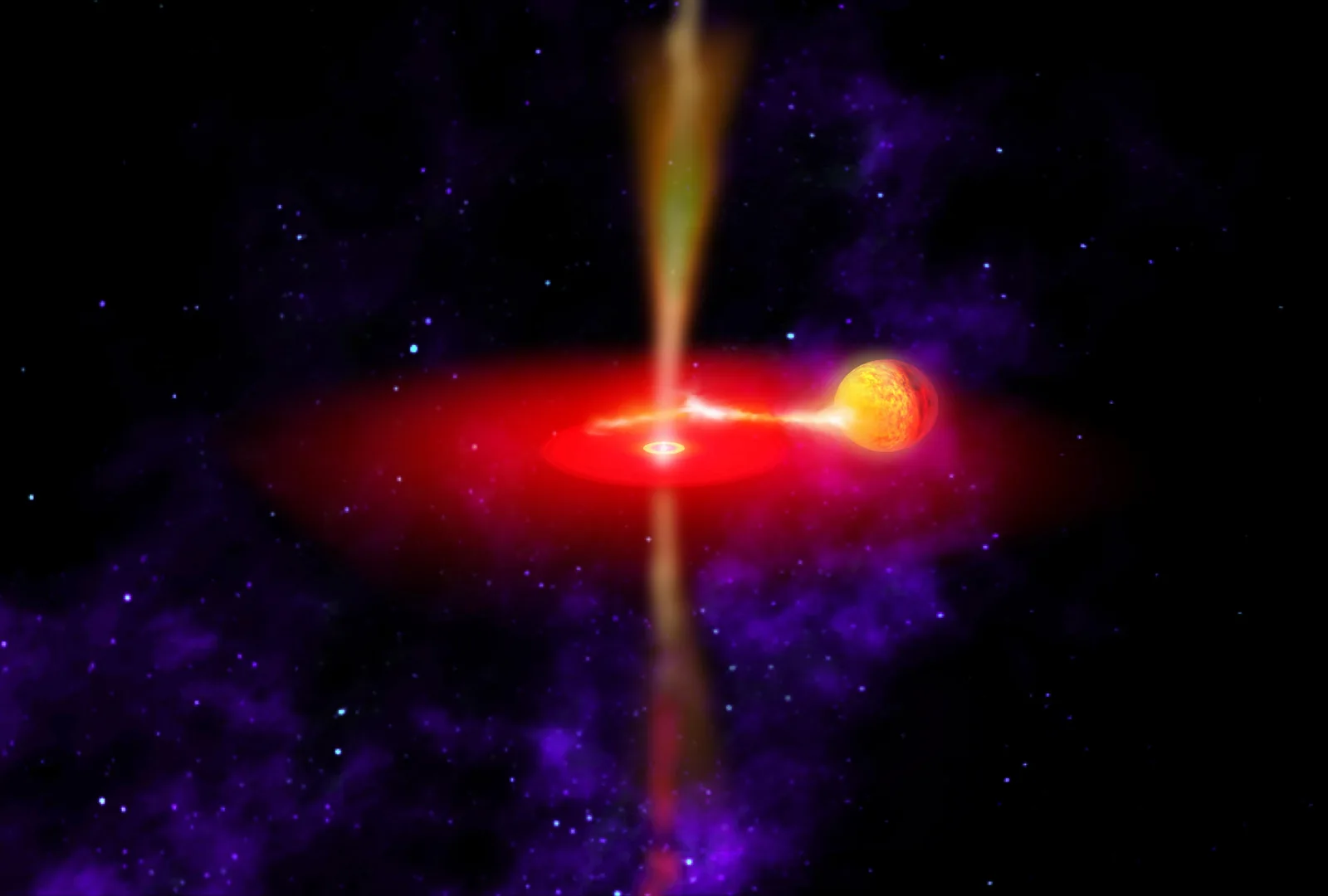
Artist's impression of a black-hole X-ray binary

High Energy Astrophysics Group · Summer 2025

ProblemA black-hole X-ray binary's outburst was buried in 252 NICER telescope observations that took weeks to reduce by hand.

ApproachRebuilt the reduction as a multithreaded program, then compared light curves and spectral-fit parameters across the whole outburst.

ResultCut a several-week process 16× and found short-lived flux spikes — spectrally constrained to a type of coronal flare.

16×faster reduction

NICERX-ray timingXSPECmultithreading

Presented247th Meeting of the American Astronomical Society — Phoenix, AZ — presented January 2026 · ADS abstract link pending

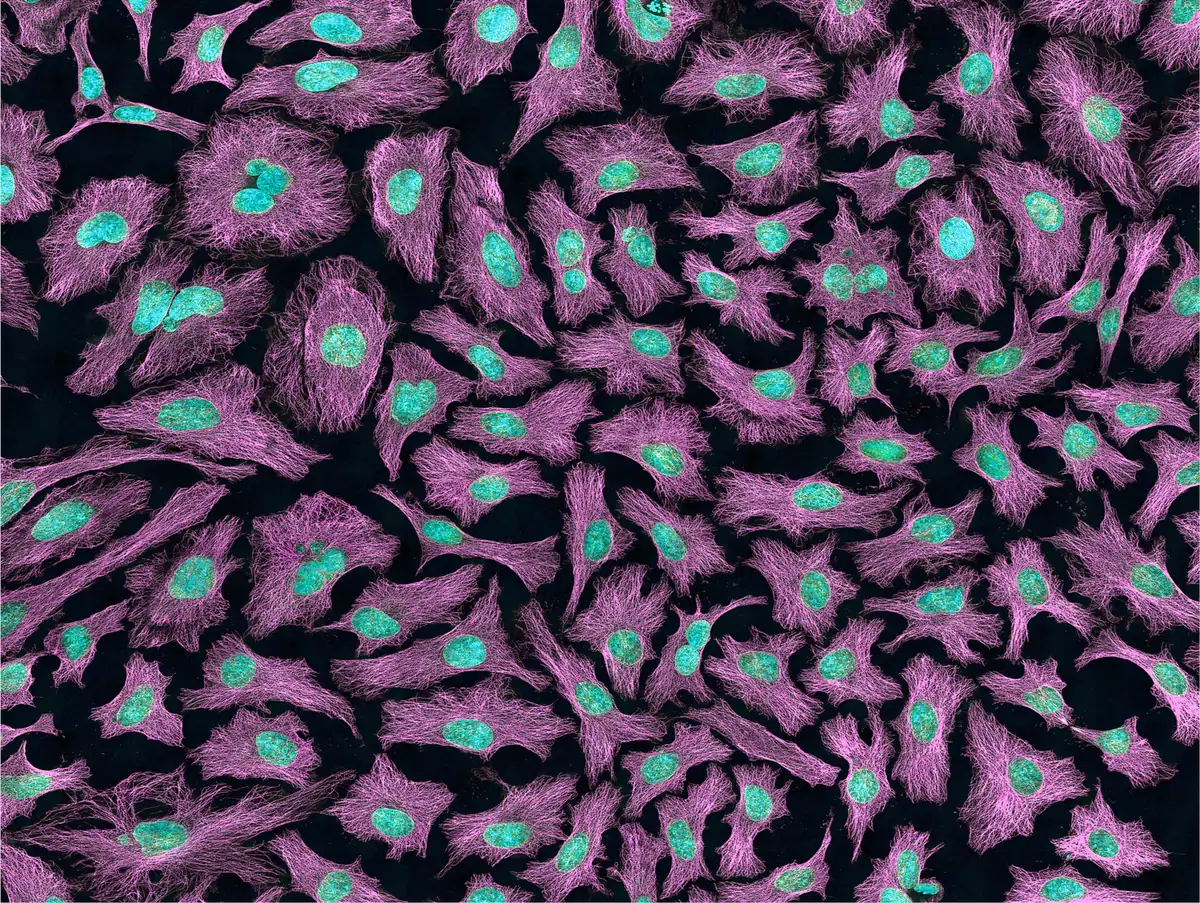
Fluorescence micrograph of individual cells

McKinnon Rosati Biophysics Lab · September 2024 – May 2025

ProblemDoublets — two cells sequenced as one — corrupt single-cell RNA datasets of millions of cells.

ApproachBenchmarked statistical and biological clustering across human PBMCs, mouse lung, and killifish embryo cells, tuning machine-learning doublet detection.

ResultIdentified the best-performing algorithm and removed thousands of doublets, sharpening downstream clustering.

millionscells screened

PythonPyTorchscRNA-seqmachine learning

PresentedSBU Undergraduate Research & Creative Activities Symposium — presented 2025

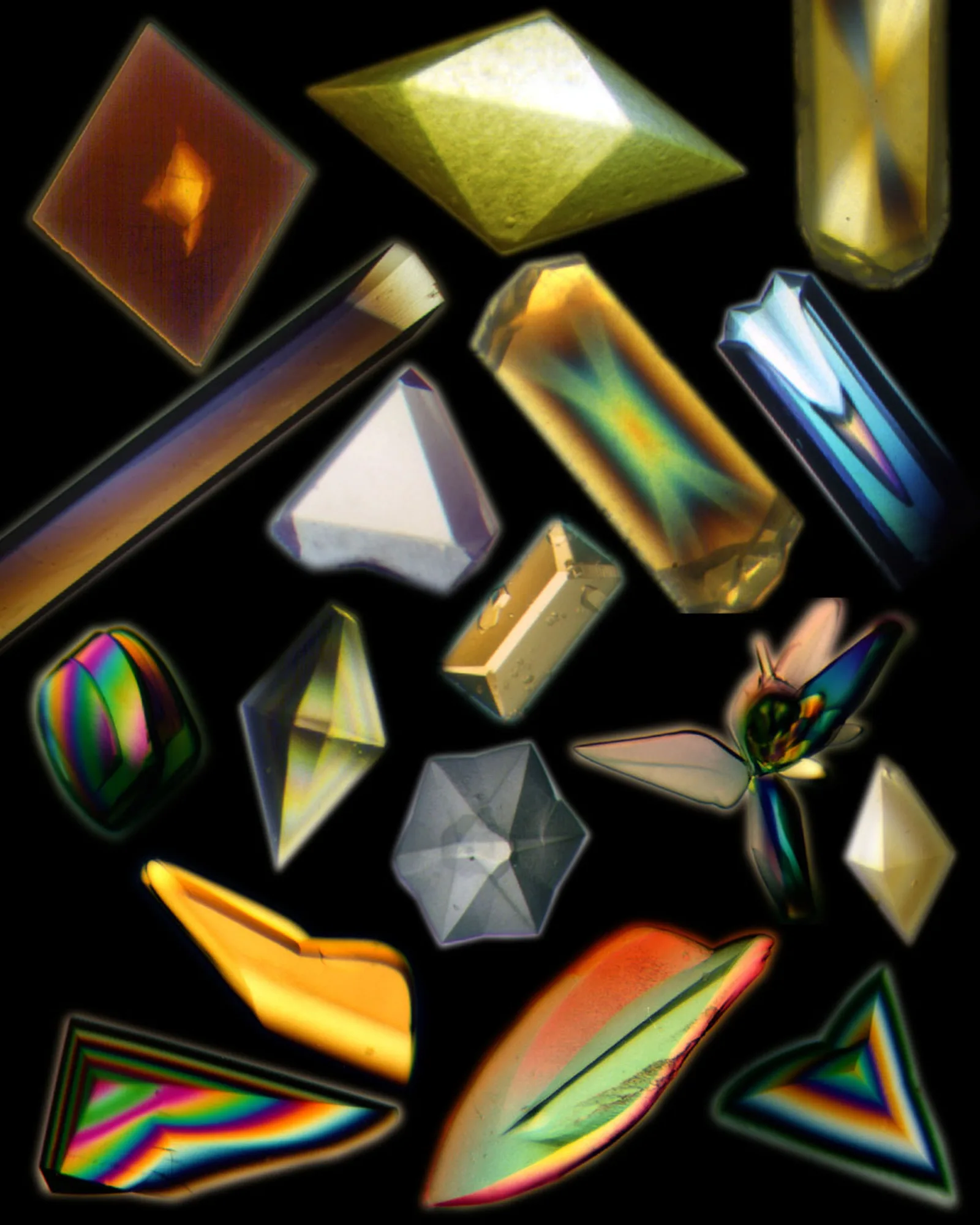
Protein crystals under magnification

Markelz Research Group Terahertz Spectroscopy Lab · Summer 2022

ProblemTerahertz spectroscopy of proteins needs large, clean crystals grown under tightly controlled conditions.

ApproachTuned inhibitor binding, crystal growth, and dielectric response; grew and imaged 3,500+ TIM and lysozyme samples from custom solvent-buffer solutions.

ResultExtracted optimal growth parameters and established a lab standard for protein-crystal growth.

3,500+crystal samples

THz spectroscopycrystallographybiophysics